Buy Glyalcare Now
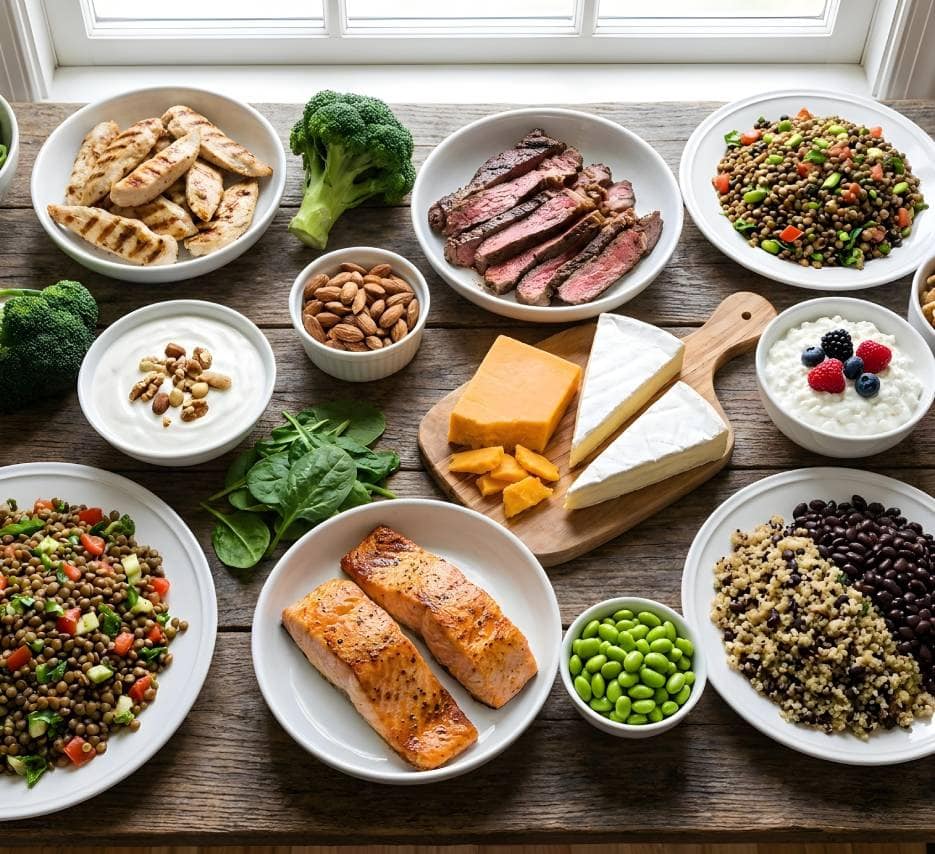
Why Protein Quality Matters More As You Age
As we get older, maintaining good health is about more than simply watching our weight. Our bodies naturally change with age, including gradual changes in muscle mass, strength, and bone health.
That is why protein becomes increasingly important — not just how much protein we eat, but also the quality of the protein we choose.
Choosing clean, nutritious, and lower-fat protein sources can help support a healthy diet while providing the building blocks the body needs for long-term strength and wellbeing.
Why Muscle Health Matters With Age
Muscle plays an important role in everyday life. It helps us stay mobile, maintain balance, support good posture, and continue doing the activities we enjoy.
As we age, however, the body can gradually lose muscle mass and strength. This natural process can be influenced by factors such as physical inactivity, inadequate nutrition, illness, and changes in appetite.
Protein provides essential amino acids that the body uses to build and maintain muscle tissue. Ensuring adequate protein intake as part of a balanced diet can therefore play an important role in supporting muscle health throughout adulthood and into later life.
Not All Protein Sources Are the Same
Protein can come from a wide range of foods, but some sources may also be higher in saturated fat, sodium, or heavily processed ingredients.
Choosing high-quality, nutrient-dense protein sources can help you meet your protein needs while supporting your overall nutritional goals.
Examples of nutritious protein sources include:
- Fish and seafood
- Skinless poultry
- Eggs
- Greek yogurt and other lower-fat dairy products
- Tofu and tempeh
- Beans, lentils, and other legumes
- Nuts and seeds
- Lean cuts of meat
The best choice is not necessarily about finding one “perfect” protein. Instead, variety can help provide a broader range of nutrients while keeping meals interesting and sustainable.
Protein and Bone Health: The Important Connection
When people think about bone health, calcium often gets most of the attention. But protein also plays an important role in maintaining the body’s overall structure, including muscles and bones.
Adequate protein intake supports the body’s tissues and works alongside other important nutrients such as calcium and vitamin D as part of an overall healthy diet.
Strong muscles can also help support movement, balance, and physical activity — all of which are important for maintaining independence and supporting long-term bone health.
Why Low-Fat Protein Choices Can Be Helpful
Choosing lean or lower-fat protein sources can be particularly useful for people who are also trying to manage their overall calorie intake or support heart health.
For example, swapping highly processed or fatty meats for fish, poultry, legumes, tofu, or other lean protein options can provide protein while also helping to create a more balanced meal.
That doesn’t mean all dietary fats are unhealthy. Healthy fats from foods such as nuts, seeds, avocados, and oily fish can still be valuable parts of a balanced diet. The key is to focus on the overall quality of your food choices, rather than simply avoiding fat altogether.
Making Protein Part of Your Daily Routine
Instead of saving most of your protein intake for one large meal, consider including a source of protein throughout the day.
A balanced meal might include:
- Protein to support muscle maintenance and repair
- Fiber-rich carbohydrates for sustained energy
- Vegetables and fruits for vitamins, minerals, and fiber
- Healthy fats to support overall nutrition and satisfaction
Simple combinations such as eggs with whole-grain toast, grilled fish with vegetables, or tofu with brown rice and greens can help make balanced eating easier to maintain.
The Takeaway
As you age, paying attention to protein quality can become an increasingly important part of supporting long-term muscle strength, mobility, and bone health.
Focus on a variety of nutritious, minimally processed protein sources, including lean animal proteins and plant-based options. Combined with regular physical activity — especially strength or resistance-based exercise — and an overall balanced diet, adequate protein intake can help support healthy ageing and everyday wellbeing.
The goal is not perfection. It’s about building simple, sustainable habits that help you stay strong, active, and well-nourished for the years ahead.
This article is for general informational purposes and isn’t a substitute for personalized medical or dietary advice. Always consult your healthcare provider before making significant changes to your diet.